An Overview of CNC Machining: Precision at the Core of Modern Manufacturing
In the fast-evolving landscape of modern manufacturing, CNC machining stands as a cornerstone technology, revolutionizing how high-precision parts are designed and produced. CNC, short for Computer Numerical Control, is a subtractive manufacturing process that uses pre-programmed computer software to control the movement of machining tools, eliminating the need for manual operation and significantly reducing human error. This technology enables manufacturers to transform raw materials—such as metal, plastic, and composite materials—into complex, dimensionally accurate components that meet the most stringent industry standards.
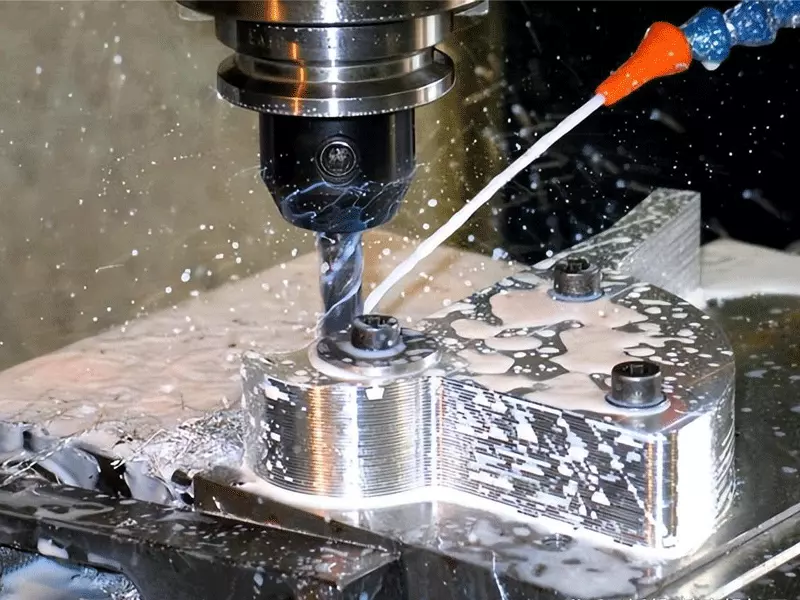
The CNC machining process begins with a digital CAD (Computer-Aided Design) model, which is then converted into CAM (Computer-Aided Manufacturing) code to guide the machine’s movements. From CNC turning for cylindrical parts to CNC milling for complex contours, the versatility of this technology makes it indispensable across industries like aerospace, automotive, medical, and electronics. Its key advantages include high repeatability, consistent quality, and the ability to handle both small-batch prototyping and large-scale mass production. As technology advances, AI-powered CNC systems and multi-axis machining are further enhancing efficiency and precision, solidifying CNC machining’s role as a driving force in modern manufacturing.
