Mold Injection: Efficient Mass Production of Plastic Components
Mold injection is a highly efficient manufacturing process tailored for mass-producing plastic parts with consistent quality and intricate designs. Widely used in industries ranging from automotive and consumer goods to medical devices and packaging, this process involves heating plastic pellets until they melt, then injecting the molten plastic into a custom-designed mold under high pressure. Once the plastic cools and solidifies, the mold opens, and the finished part is ejected, ready for further processing or direct use.
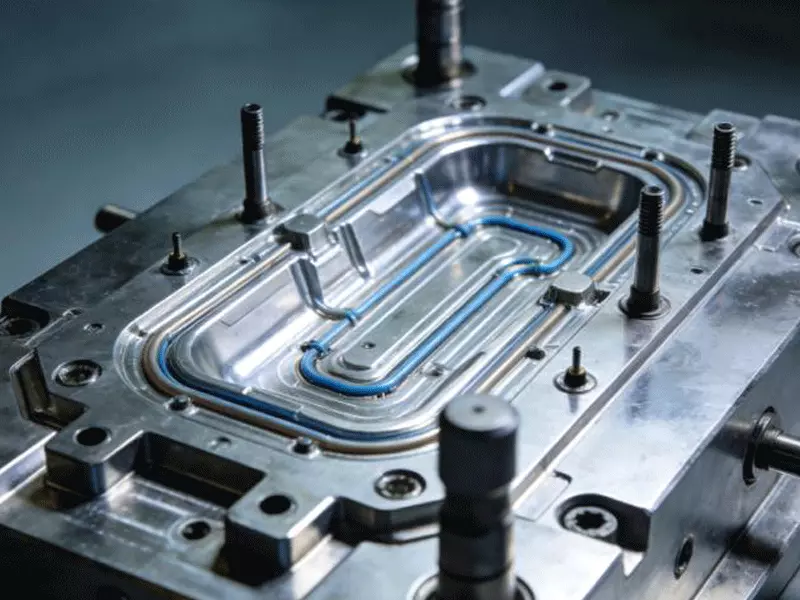
The success of mold injection relies heavily on the precision of the mold design and the control of processing parameters, such as temperature, pressure, and cooling time. Different types of mold injection, including thermoplastic injection, overmolding, and insert molding, cater to diverse application needs—from simple plastic buttons to complex medical device components. While mold injection requires an initial investment in tooling, its low material waste and low cost per part make it cost-effective for large production runs. With advancements in mold design and material technology, mold injection continues to evolve, enabling the production of lighter, more durable, and more complex plastic parts to meet the growing demands of modern industries.
